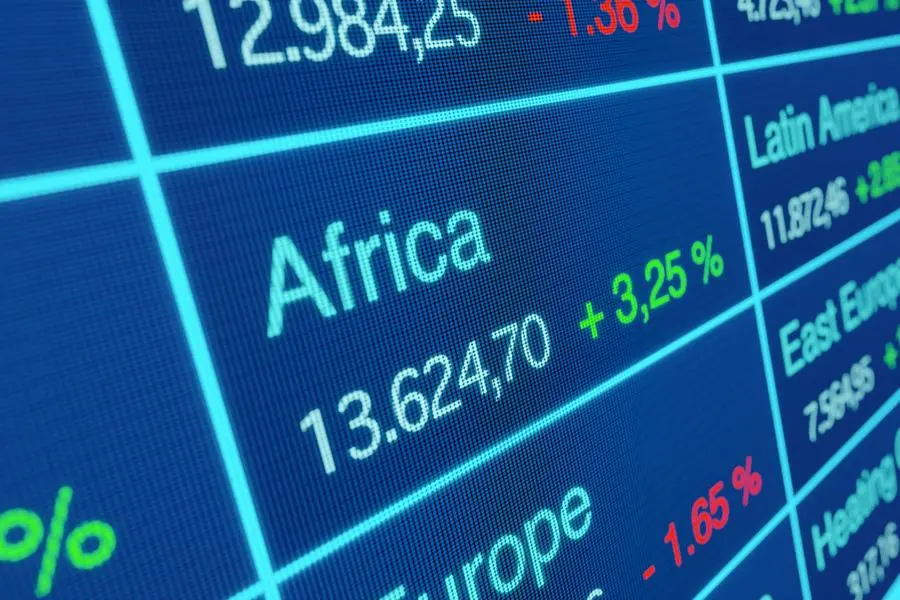
In a year marked by difficult macroeconomic conditions, turbulent trade environments, and mounting geopolitical tensions, Africa’s financial markets continue to demonstrate resilience and adaptability. The 2025 Absa Africa Financial Markets Index (AFMI) reveals a continent pushing forward, even as global headwinds threaten to slow progress.
“Countries that tackled inefficient foreign exchange regimes performed notably better, underscoring the importance of reform-driven resilience.”
While only a third of countries improved their overall scores, key developments appeared in transparency, accessibility, and openness, offering a benchmark for stronger market infrastructure and a learning opportunity for policymakers.
Countries that tackled inefficient foreign exchange regimes performed notably better, underscoring the importance of reform-driven resilience. Moreover, 18 AFMI economies now offer environmental, social, and governance or Islamic finance products, broadening investment opportunities. The rise of green bonds, now issued by 14 nations, also signals a growing commitment to sustainable finance.
“On a headline basis, the last year may feel like a bit of a disappointment,” says Kenny Fihla, CEO of Absa Group. “But the detail shows that progress continues to be made across the region, particularly in foreign exchange reforms, improved product diversity and action on climate change.”
ERIS SAYS: We’ve long been fans of Africa for its high potential – and its creativity. Beyond the data in Absa’s report, Africa’s story is one of transformation. The continent is expected to be the world’s second-fastest-growing region in the years ahead, and now stands at a pivotal juncture as it balances vulnerability to commodity price shocks with a determined drive toward diversification of its economy.
From mobile banking to e-commerce and fintech innovation, Africa’s digital economy is rewriting its potential for economic growth. With a young, urbanising population and expanding connectivity, the continent is not merely weathering global volatility, it is defining its own trajectory toward sustainable growth and technological empowerment and positioning itself as a future cornerstone of the global economy in. There’s no point in sugar-coating the problems African markets have faced with corruption and volatility – but the recent upsurge in fintech investment and banked populations using mobile and internet banking can only be good things for the future.